

How to Prevent Medi-Cal Estate Recovery
2027 California Medi-Cal Asset Limit Changes Are Coming — Start Planning Now
If you or a loved one may need help paying for long-term care now or in the near future, the upcoming changes to California’s Medi-Cal asset limits could significantly affect eligibility. Planning can protect your savings, preserve your family’s financial security, and prevent Medi-Cal from recovering against your estate after death.
To discuss your options, please call our office at (818) 241-4238 to schedule a phone consultation.
Major Changes Coming in 2027
California’s approved 2027 Medi-Cal budget will dramatically reduce the amount of assets individuals and couples may keep while qualifying for Medi-Cal benefits.
Current 2026 Asset Limits
- $130,000 for an individual
- $195,000 for a married couple
Effective July 1, 2027
Asset limits will decrease to:
- $21,000 for an individual
- $31,000 for a married couple
These reductions will affect both new applicants and individuals already receiving Medi-Cal or IHSS benefits.
What These Changes Mean for Families
The new limits represent a significant decrease in the resources you may retain while qualifying for Medi-Cal. For many seniors and individuals with disabilities, this will impact:
- Long-term care planning
- Financial stability
- Access to essential healthcare services
- Asset protection for spouses and loved ones
Although the final numbers are less restrictive than earlier proposals, many California families will still need to reassess their planning strategies to maintain eligibility.
Planning Ahead Can Protect What You’ve Built
The good news: Legal planning strategies exist that can help protect assets while maintaining Medi-Cal eligibility. Every family’s situation is unique, and early planning provides the greatest flexibility.
Our Elder Law team can help you:
- Understand how the new Medi-Cal rules affect your family
- Explore asset protection strategies
- Plan for nursing home or assisted living costs
- Preserve assets for a spouse or children
- Build a comprehensive long-term care plan
Will Medi-Cal Asset Limits Decrease Again?
Many Elder Law professionals anticipate that California may continue tightening Medi-Cal eligibility rules to align more closely with Federal Medicaid standards ($2,000 / $3,000) in 2028 or shortly thereafter.
Planning now helps you stay ahead of future changes and avoid unnecessary financial stress. Timing is critical.
Schedule a Phone Consultation
Call (818) 241-4238
If you or a family member may require skilled nursing care or long-term care services in the coming years, now is the time to prepare.
Protect your assets. Preserve your eligibility. Plan with confidence.
Our mission is to help California families navigate Medi-Cal planning with clarity and peace of mind.
Preventing Medi-Cal Estate Recovery
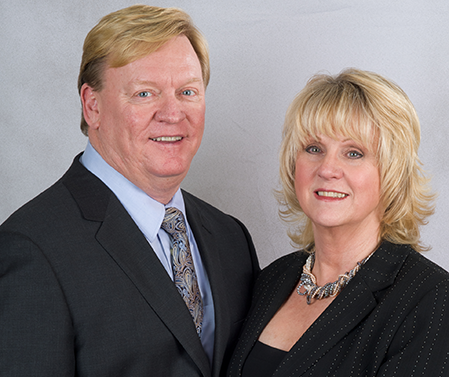
Joseph McHugh, LA Law’s Elder Law Attorney, can help prevent Medi-Cal Estate Recovery by transferring assets out of your probate estate before death. This is a highly specialized area of law—do not rely on general practitioners or non-attorney advisors. Joseph and Kathy McHugh, our Triage Director and Medi-Cal Expert, are available to discuss your options and the risks involved.
You have paid taxes for decades supporting Medi-Cal and other programs. When you need Medi-Cal, we help you legally receive those benefits while protecting your hard-earned assets from recovery after death.
Call for consultation: (818) 241-4238 or submit our online form to request a consultation.
When Medi-Cal Estate Recovery Is NOT Allowed
California’s Medi-Cal Estate Recovery rules changed on January 1, 2017. Recovery is now limited and, in many cases, completely prohibited.
1. Surviving Spouse or Registered Domestic Partner
If the Medi-Cal recipient is survived by a spouse or registered domestic partner, estate recovery is permanently barred. However, if the surviving spouse or partner also received Medi-Cal services subject to recovery, their estate may be subject to a claim after their death.
2. Surviving Minor or Disabled Children
Recovery is prohibited if the recipient is survived by:
- A minor child (under age 21), or
- A disabled child of any age
The child does not need to live with the recipient or inherit from the estate. Disability must be documented.
3. Recovery Limited to Probate Estates
For deaths on or after January 1, 2017, Medi-Cal may only recover from assets that pass through probate.
This means NO MEDI-CAL ESTATE RECOVERY
- Living trusts
- Joint tenancy property
- Right of survivorship assets
- Life estates
- Accounts with beneficiaries
A Will alone does not avoid probate.
If your estate exceeds the probate threshold, your assets may still be subject to probate.
2026 California Probate Threshold: $208,850 in assets held solely in the decedent’s name.
4. Why Place Assets in a Trust?
A Revocable Living Trust keeps your home and assets out of probate. Under current California law, assets held in a properly funded trust are not subject to Medi-Cal Estate Recovery.
Assets Protected From Medi-Cal Estate Recovery
(Assets structured so they do not pass through probate)
- Living Trusts – Hold real estate and financial accounts and direct distribution after death.
- Life Insurance with Beneficiaries – Pays directly to beneficiaries, bypassing probate.
- Joint Tenancy with Right of Survivorship – Property passes automatically to the surviving owner.
- Pay-On-Death (POD) Accounts – Funds transfer directly to named beneficiaries.
- IRA/Retirement Accounts with Beneficiaries – Transfer automatically without probate.
Important Notes About Medi-Cal Estate Recovery Questionnaires
The Medi-Cal Estate Recovery Unit may send families questionnaires implying a legal obligation to respond.
There is NO legal obligation to return these forms.
Your only legal responsibilities are:
- Sending notice of death
- Providing a copy of the death certificate
- Providing a copy of the checking account balance on the date of death
We can communicate with Medi-Cal Estate Recovery on your behalf so you don’t have to deal with this during a difficult time.
The best way to avoid a Medi-Cal Estate Claim is to ensure the Medi-Cal recipient has no assets titled solely in their name at death, which can cause a Probate case. We can help you accomplish this legally and safely.
Schedule Your Phone Consultation Today
Call (818) 241-4238